When app developers think about A/B testing, they often focus on paywalls. While monetization is critical, conversion optimization starts much earlier in the user journey. This webinar, hosted by Sam Mejlumyan, CEO of Qonversion, and Adele Kireeva, User Acquisition Manager at SplitMetrics Agency, dives into A/B testing strategies across the entire customer lifecycle.
Stage 1: Awareness & Acquisition
The acquisition stage is the foundation of your app’s success. If you fail to attract high-value users cost-effectively, the entire funnel suffers. One of the most impactful ways to optimize acquisition is by A/B testing your app product page — the first interaction potential users have with your app.
Why Testing Your Product Page Matters
Your app store listing is your digital storefront. Optimizing screenshots, icons, and descriptions improves visibility, increases installs, and even influences post-install engagement. A well-optimized product page ensures that users understand the value of your app before they install it, leading to better retention and monetization down the line.
Native vs. Non-Native A/B Testing
As an app developer, you can run A/B tests using native app store tools or third-party solutions like SplitMetrics Optimize. Native tools are free, available, and you’re experimenting with real audience. Non native tools offer a simulated environment and are perfect for pre-launch testing.
A hybrid approach of leveraging native tools for live testing and non-native tools for pre-launch experiments can maximize results.
During the webinar we showed real examples of how updating the product page affected conversions, watch the recording to check them out!
Key Takeaways for A/B testing the Acquisition Stage
- A/B test your product page early to optimize visibility and user acquisition.
- Combine native and non-native tools for a data-driven approach.
- Test creative elements (icons, screenshots, seasonality) to see what resonates with different markets.
- Acquisition impacts the entire funnel. Better targeting at this stage leads to stronger engagement, retention, and revenue.
Stage 2: Onboarding
Before users even see a paywall, onboarding is a crucial opportunity to impress them. Studies show that 24% of users drop off within the first 24 hours, and 48% leave within 30 days — meaning you have little time to deliver that "aha" moment to retain users.
What to A/B Test in Onboarding?
- Personalization – Instead of static image-based onboarding, ask users about their preferences and tailor their experience accordingly.
- Step-by-Step Engagement – Avoid overwhelming users with too many questions at once; gather only the most important data upfront.
- CTAs & Interactive Elements – Play with button text, gamification, and engaging tutorials to enhance the onboarding experience.
- Discounts & Limited-Time Offers – Experiment with different pricing strategies without undervaluing the main offer.
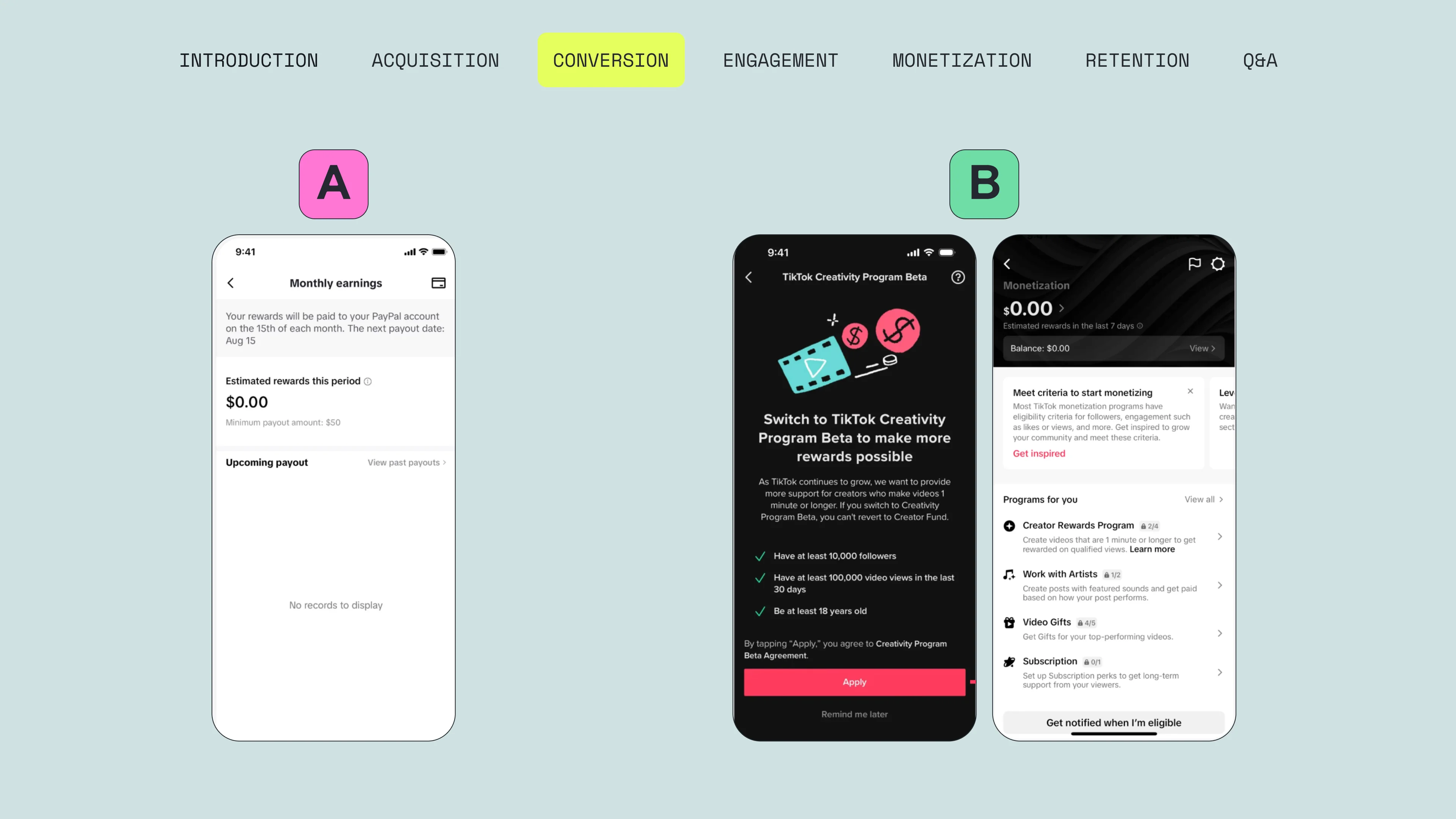
TikTok’s Business Program Optimization Example
By adding a single screen with program rules, TikTok boosted creator enrollment by 25%—proving that small tweaks can lead to significant improvements.
Common Onboarding Mistakes
- Long user journeys – Keep onboarding within 5-8 steps to avoid drop-offs. Surely some apps extend their onboarding to 10, 15, 20 screens but the common benchmark is to keep it simple and short, up to 8 screens.
- Confusing UX – Maintain consistency in wording and button placements. If the message says click Next, the button should say “Next”.
- Lack of Value Explanation – Reinforce the app’s key benefits even after acquisition. You may think it’s obvious or you’re repeating yourself but highlighting the value of your app is the key to convert users.
- Ignoring Cultural Differences – Adapt your UI elements and localization strategies for different regions.
How to Measure Onboarding Success
- Drop-off rate – Where do users abandon the onboarding flow?
- Conversion rate – How many users complete the process?
- Trial-to-paid conversion – How does onboarding impact monetization?
These are the questions you need to ask. Now let’s go to stage 3, Engagement.
Stage 3: Engagement
Attracting users is just the beginning; engagement ensures they stay. A/B testing engagement strategies can improve retention rates and conversion opportunities.
Key A/B Testing Strategies for Engagement
- Personalization – Try customizing in-app experiences to the max. Segment your users based on the information you gather from onboarding, age, gender, user behavior, and more.
- User Journey Flows – Experiment with the timing of conversion prompts rather than pushing users too soon.
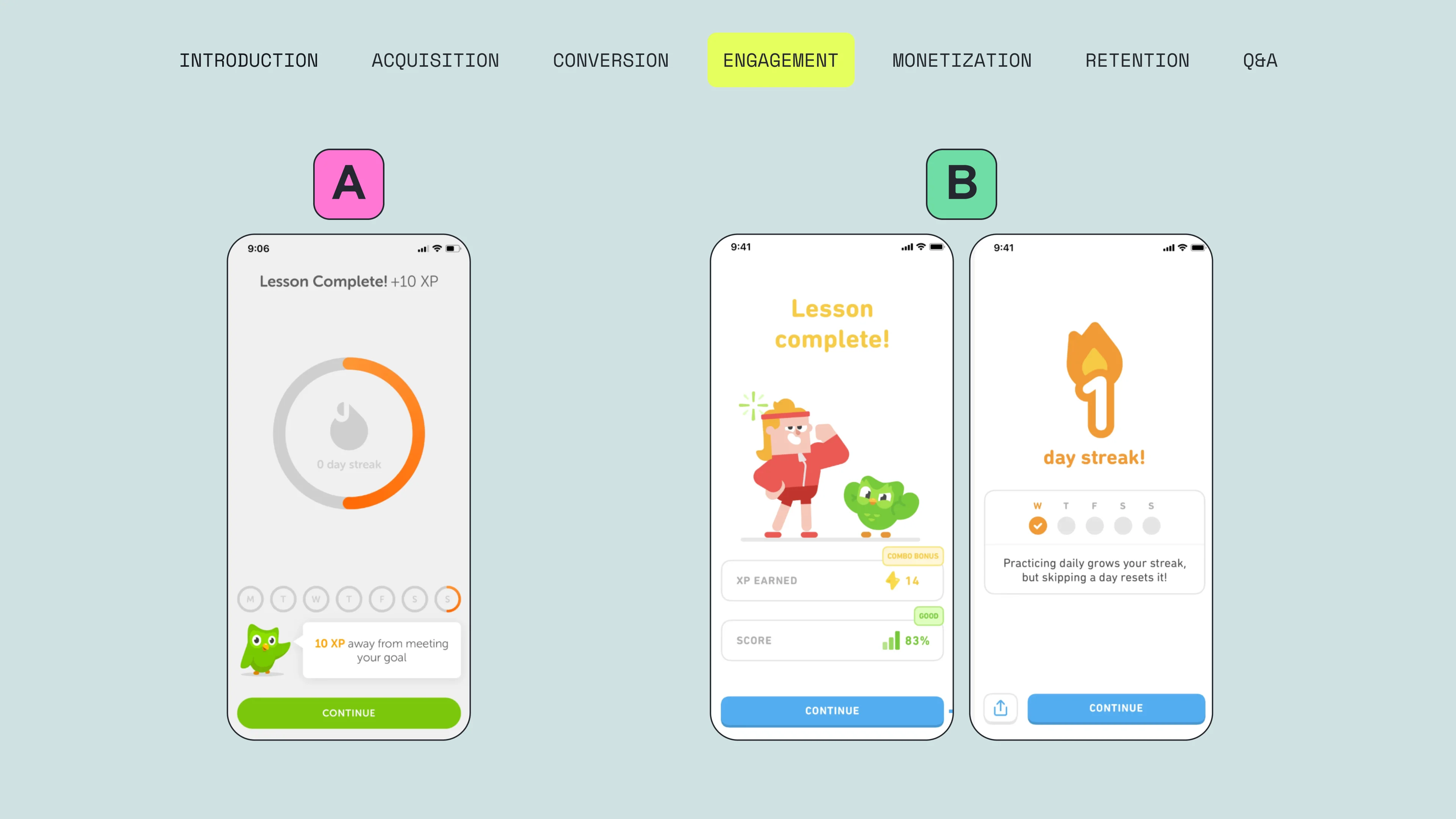
- Gamification – This seems quite obvious but some underestimate the influence of gamification. Introduce streaks, achievements, or interactive rewards to motivate users.
The first example that comes to mind when talking about app engagement is Duolingo. By the way, they have recently changed their streak system from a daily goal to a single lesson per day to reduce pressure. The result? A 40% increase in 7+ day streaks.
Common Mistakes
- Overwhelming Users – Do try to engage users but remember that too many in-app messages or notifications can cause frustration and churn.
- Ignoring Feedback – A personal recommendation that we learned the hard way is to add a support button so that your app users know where to go if they have complaints or feature requests. Collect this feedback regularly, process it, and see your user number rise.
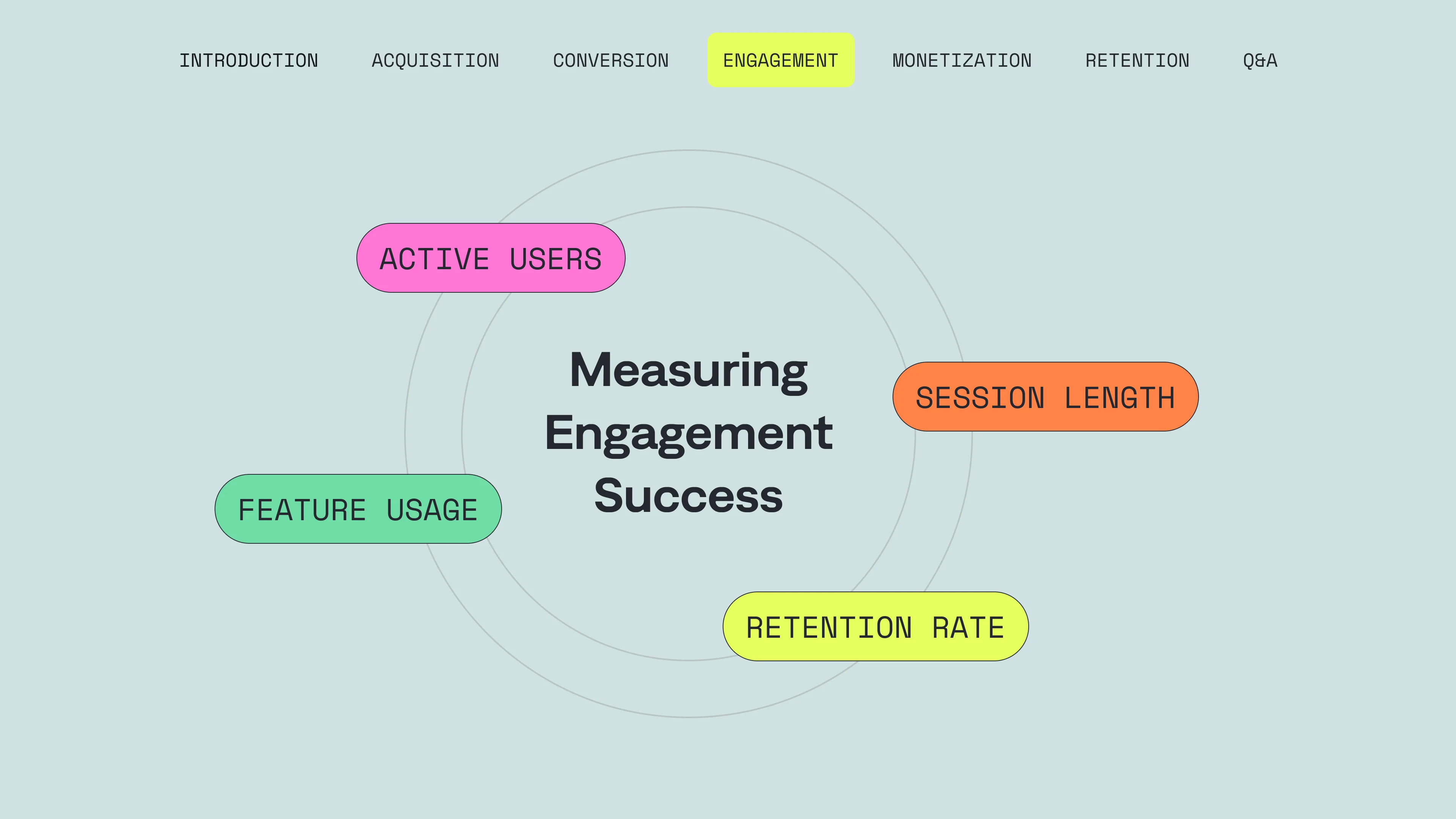
Metrics – Keep in mind and follow the metrics that help track engagement.
Stage 4: Monetization
Not all users will convert at the same time. A/B testing different monetization strategies can optimize revenue.
What to Test for Monetization?
- Pricing Tiers: Identify the most profitable subscription plans.
- Paywall Designs & CTAs: Experiment with messaging and visuals.
- Trial Offers: Balance free trials with revenue generation.
As Trash Panda’s found out sometimes increasing the price increases the revenue and not the opposite as many fear.
- A $29.99 annual plan outperformed a $19.99 plan.
- A $39.99 annual plan generated higher revenue than $29.99
There’s so much to say about Paywall A/B tests and how these can improve your pricing strategy and boost revenue. During the webinar, we were limited by time and could not go over all the details of the monetization stage, but we still have many test ideas and examples in our articles:
- Beginners Guide to Paywall A/B Testing
- Paywall Experiments for Magazine & Newspaper Apps
- Paywall Experiments for Fitness Apps
- Paywall Experiments for Music Apps
- Paywall Experiments for Meditation and Health Apps
Stage 5: Retention & Loyalty
Retention is the next important step that ensures long-term app success. It implies reducing churn and keeping subscribers engaged so that they continue using your app day after day and year after year. In the image, you'll see the common A/B test areas that deserve your attention in terms of retention.
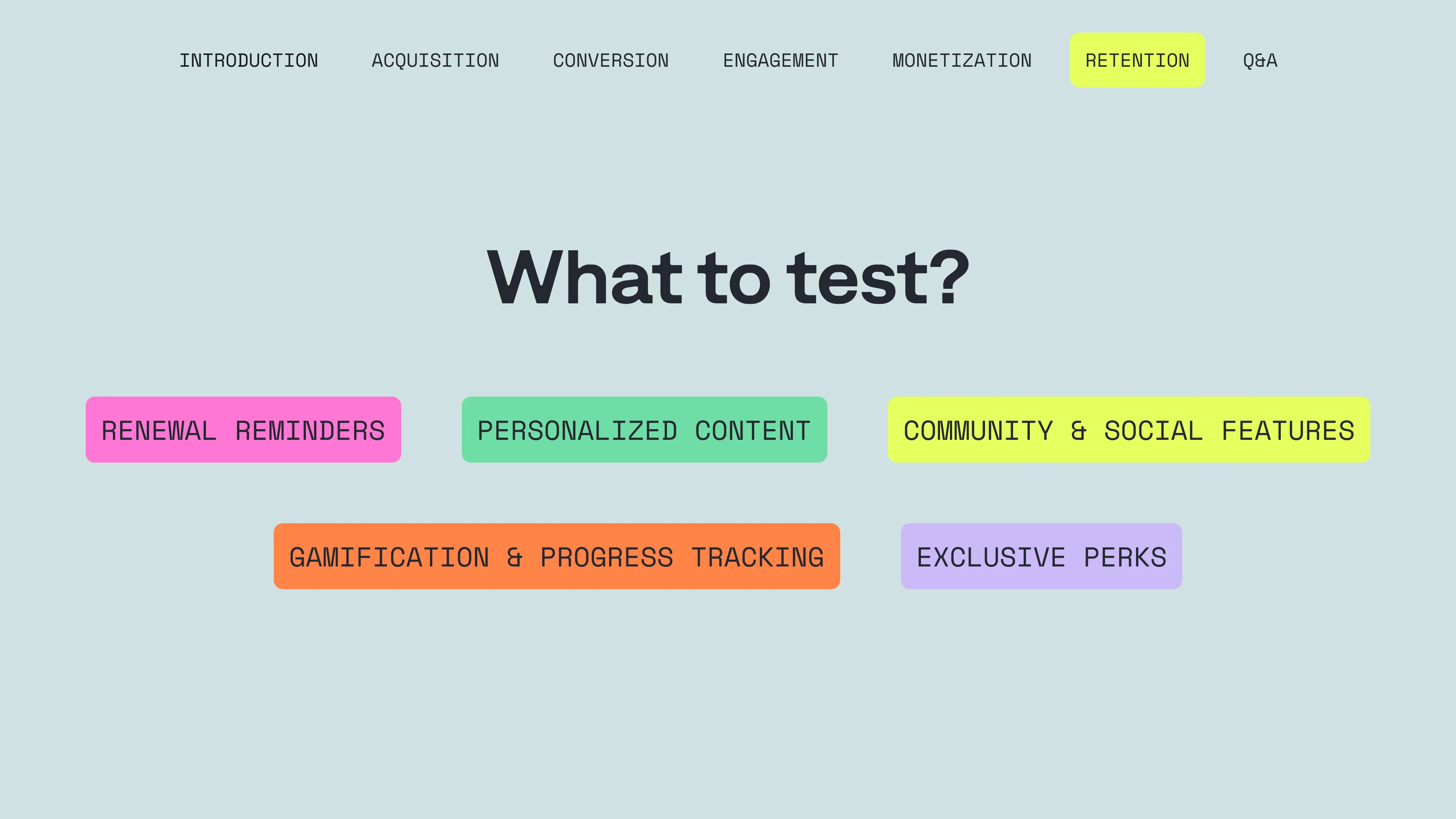
Let's look at these in more detail:
- Renewal Reminders: Optimize timing for renewal notifications and send out genuinely kind reminders to nudge users towards renewal.
- Community & Social Features: Enhance user engagement through social interactions. Creat groups and chats where your users can exchange experiences or support each other.
- Exclusive Perks: Offer special content or discounts for long-term users. SoFi, a money management app, achieved a 20x increase in referrals, driving 40% of all new user sign-ups by refining its referral program.
Stage 6: Win-Back (Re-Engagement)
Just because a user has gone inactive doesn’t mean they’re gone for good. With the right re-engagement strategies, you can bring them back into the fold and even turn them into loyal subscribers.
Key Win-Back Strategies
- Push Notifications: Personalize messaging based on user behavior — reminding them why they loved your app in the first place.
- Usage Reminders: Subtly highlight the value of your app to nudge users into returning.
- Exclusive Offers: Provide limited-time deals or incentives to create urgency.
Segmenting Your Re-Engagement Approach
As with A/B testing, here too, segmenting users will become your secret weapon. There are four types of users in your churn pipeline:
- Inactive + Paying Users: Users subscribed but don’t use your app. Prevent their churn with personalized outreach, reminding them of unused content or upcoming features.
- Active + Paying Users: The best. Strengthen their engagement by offering loyalty perks, community-building features, or personalized content.
- Inactive + Free Users: Users who downloaded you app but never went premium and don’t use it that often. Reduce friction to subscribe and provide incentives to restart their engagement.
- Active + Free Users: Convert engaged free users into paying customers by showcasing premium benefits and exclusive features. Make sure that there is a clear comparison between their version and what they’re missing out on.
Summing Up A/B Tests for Every Stage of the Customer Lifecycle
A/B testing isn’t just a growth hack — it’s a systematic way to fine-tune every part of the customer journey. From the moment users discover your app to the point where they decide to subscribe (and even after they leave), thoughtful experimentation makes a significant impact. Check out the webinar recording to access speakers’ insights on the questions asked.
Key Takeaways
- Acquisition: Your app store page is your first impression — optimize it with tested visuals and copy.
- Onboarding: First impressions matter. A seamless onboarding experience can make or break retention. And it can help you gather user info.
- Engagement: Keep users hooked through gamification, personalization, and a frictionless experience.
- Monetization: Experiment with pricing, trial offers, and paywall design to find the best revenue model.
- Retention & Loyalty: Small tweaks like better renewal reminders and exclusive perks can drastically reduce churn.
- Win-Back: Don’t give up on lost users — targeted re-engagement strategies can bring them back.
The bottom line? Never stop testing. Your app and audience will evolve, and A/B testing is your best tool to stay ahead. Ready to start optimizing? We’re here to help you grow your app.

Tatev
Content Manager at Qonversion
Tatev creates content that helps mobile app developers optimize their subscription strategies.