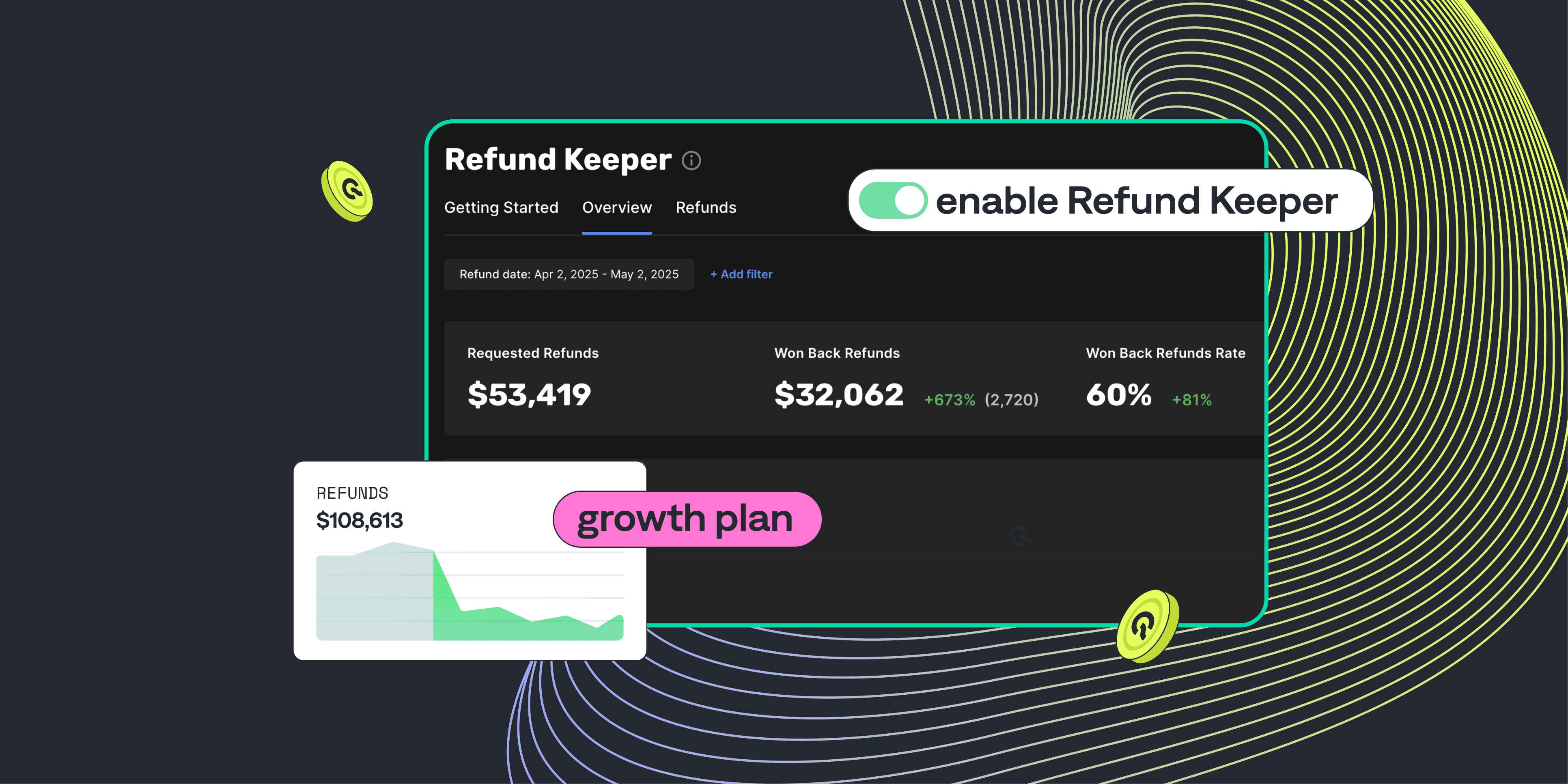
Refunds are a metric that often goes unnoticed by mobile app developers. However, they are not just a customer support statistic — they are an indicator of your product’s health, affecting user retention, revenue, and the overall app economy. In this article, based on our previous webinar, we’ll explore why refunds matter, how to manage them and and what are practical strategies to reduce refund rates.
Why Refunds Matter?
Refunds are not just a loss of money. They are a signal indicating issues with your product, user experience, or even your marketing promises. Here’s why refund management should be at the core of your strategy:
- Refunds indicate problems with your product or user experience.
- Refunds directly impact your revenue.
- Reducing refunds increases user satisfaction and retention.
Main Causes of Refunds
Refunds can be broadly categorized into two main types:
1. Emotional Triggers
- Impulse Purchases: Users make a purchase they quickly regret.
- Mismatched Expectations: The product doesn’t meet the user’s expectations.
- Buyer’s Remorse: Users reconsider the purchase and feel it wasn't worth the cost.
2. Technical Issues
- App Crashes and Bugs: Technical problems prevent users from enjoying the app.
- Onboarding Confusion: Users cannot understand how to use the app.
- Device or OS Incompatibility: Performance issues on certain devices.
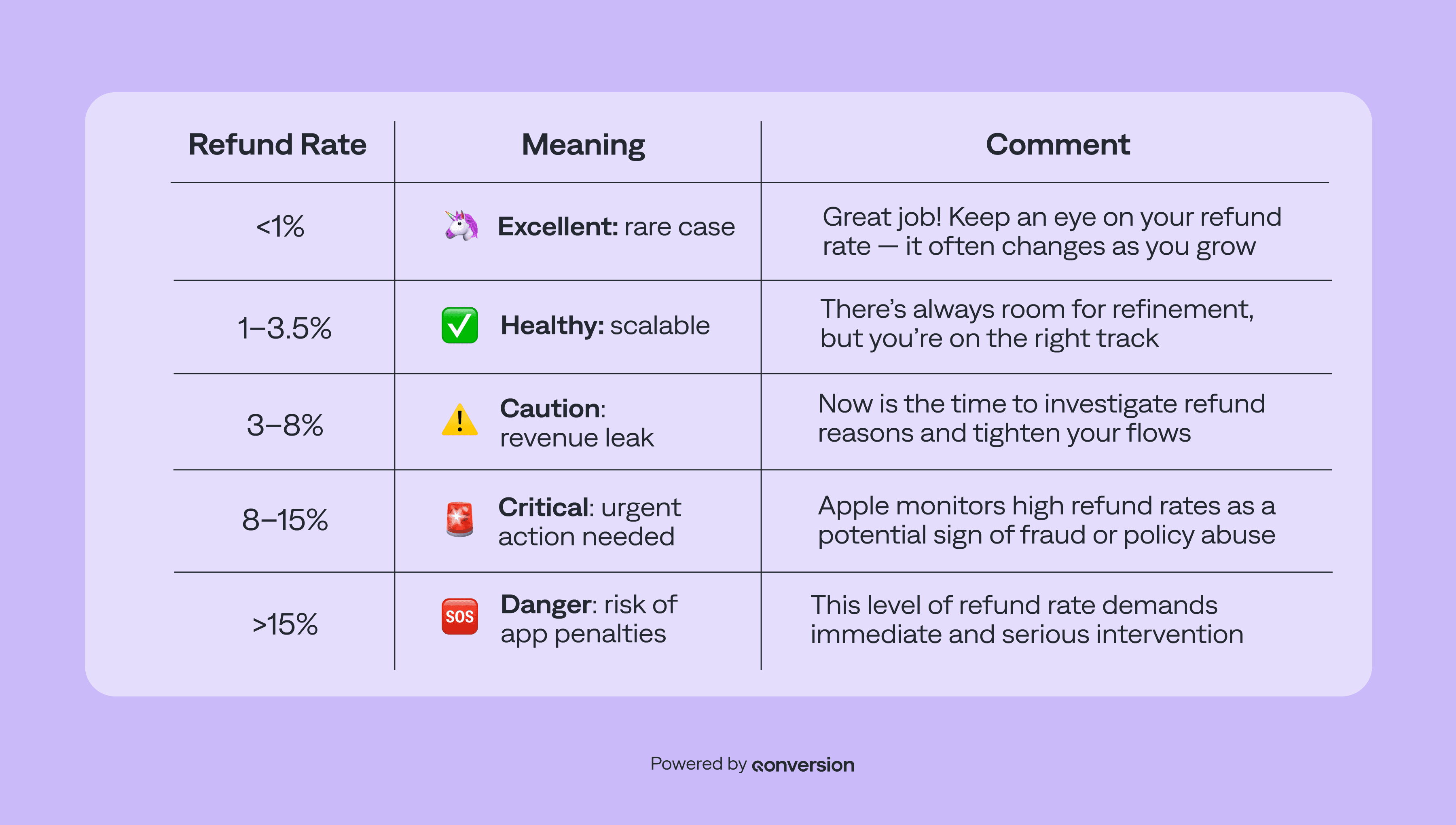
When Does Your Refund Rate Become a Problem?
Here’s how you can evaluate your refund rate:
How to Reduce Refund Rates: Practical Strategies
1. Optimize Your Onboarding
- Use clear text hints or videos.
- Remove unnecessary steps.
- Conduct A/B testing for different variations.
2. Fix Technical Issues
- Monitor crashes and bugs using analytics tools.
- Regularly update the app and ensure compatibility across devices.
3. Be Transparent About Value
- Clearly show what users will get.
- Avoid misleading descriptions.
- Test different pricing formats.
4. Address Emotional Triggers
- Remind users of app benefits via push notifications.
- Support users through email and chat.
- Offer bonuses or trial extensions for hesitant users.
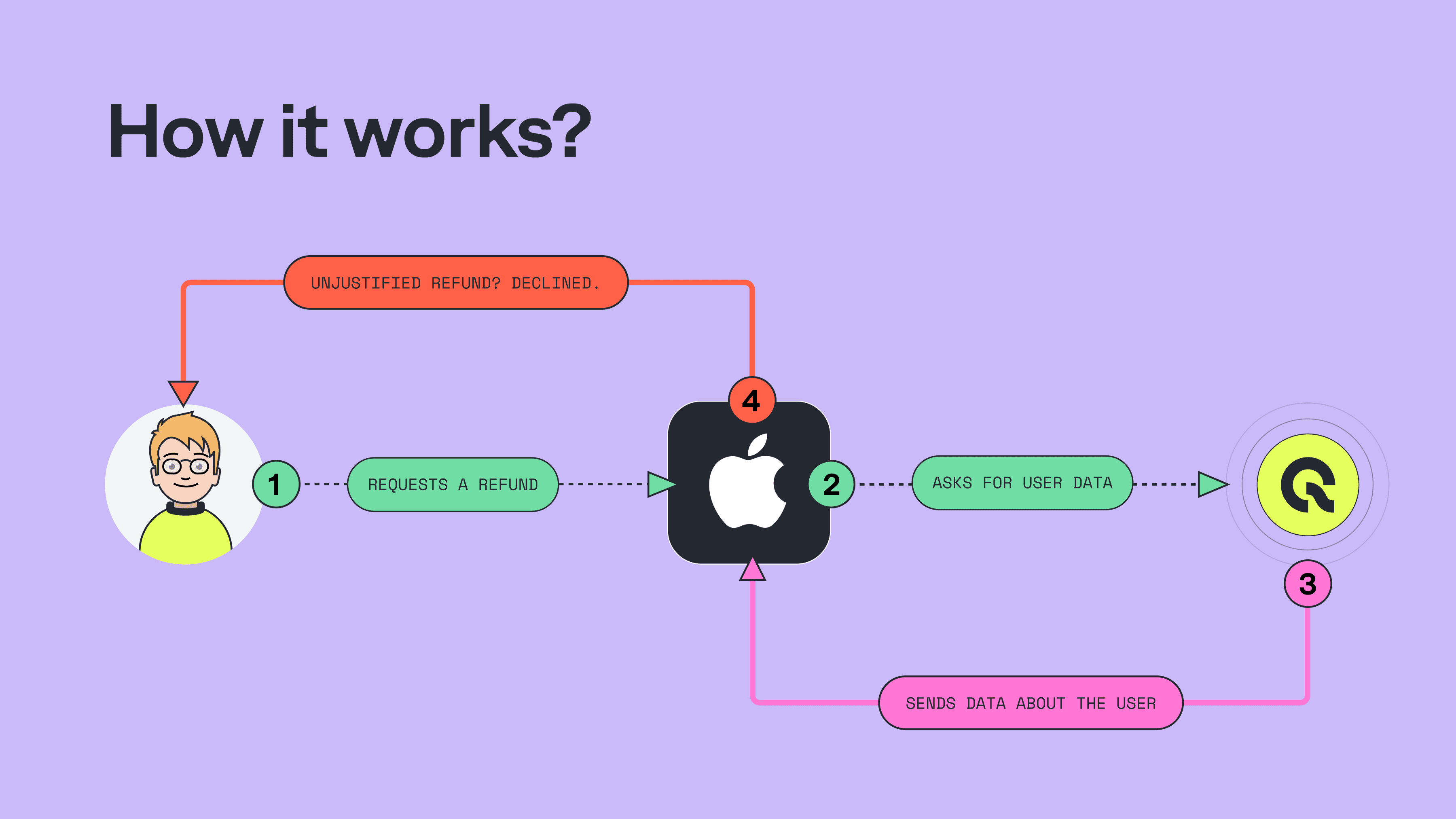
5. Use Qonversion’s Refund Keeper Refund Keeper is a tool that helps you manage refunds by providing context and metadata so that Apple can better understand refund requests. Available in the Growth Plan.
- Track refund metrics.
- Limit unjustified refunds.
- Improve user experience.
Start using Qonversion’s Refund Keeper for free – Try it now!
Conclusion
Refunds are not just a loss of revenue, they are a call to action. Proactively manage refunds by improving your product, simplifying user interactions, and supporting your users. With Qonversion’s Refund Keeper, you can retain revenue, increase loyalty, and strengthen your product strategy.
Ready to reduce refunds and increase revenue? Learn more details about this tool here and try it for free.

Vlada
Marketing Manager at Qonversion
Vlada drives marketing initiatives at Qonversion, connecting with the mobile app community.