In our blog, we consistently provide valuable guides, tips, and how-to's tailored for app developers. We cover everything you need to know about configuring in-app purchases on both iOS and Android, while also delivering the latest updates on Google Play, including changes to the Google Play Billing Library.
Today, we're diving into how to enable Developer Mode on Android devices. This mode provides access to a suite of advanced options such as app testing and debugging. In this guide, we’ll walk you through the steps to enable Developer Mode, explore its benefits, and highlight key settings worth exploring.
What is Developer Mode?
Developer Mode is a feature in Android that gives users access to advanced settings and tools. While primarily intended for developers, it can also be useful for power users who want more control over their devices. With Developer Mode enabled, you can perform tasks such as debugging, improving performance, and customizing system behaviors.
Why Enable Developer Mode?
- Testing and Development: Essential for developers to test and debug apps on actual devices.
- Enhanced Control: Gain deeper control over your device’s behavior and performance.
- Customization: Unlock hidden settings and features for a more personalized experience.
- Debugging and Troubleshooting: Use tools like USB debugging to troubleshoot issues.
Step-by-Step Guide to Enable Developer Mode
Step 1: Access the Settings Menu
Unlock your Android device and go to the home screen. Swipe down from the top of the screen and tap the gear icon to open the Settings menu.
Step 2: Find the 'About Phone' Section
Scroll down and tap on the 'About Phone' or 'About Device' option, typically located at the bottom of the Settings menu. This section contains detailed information about your device.
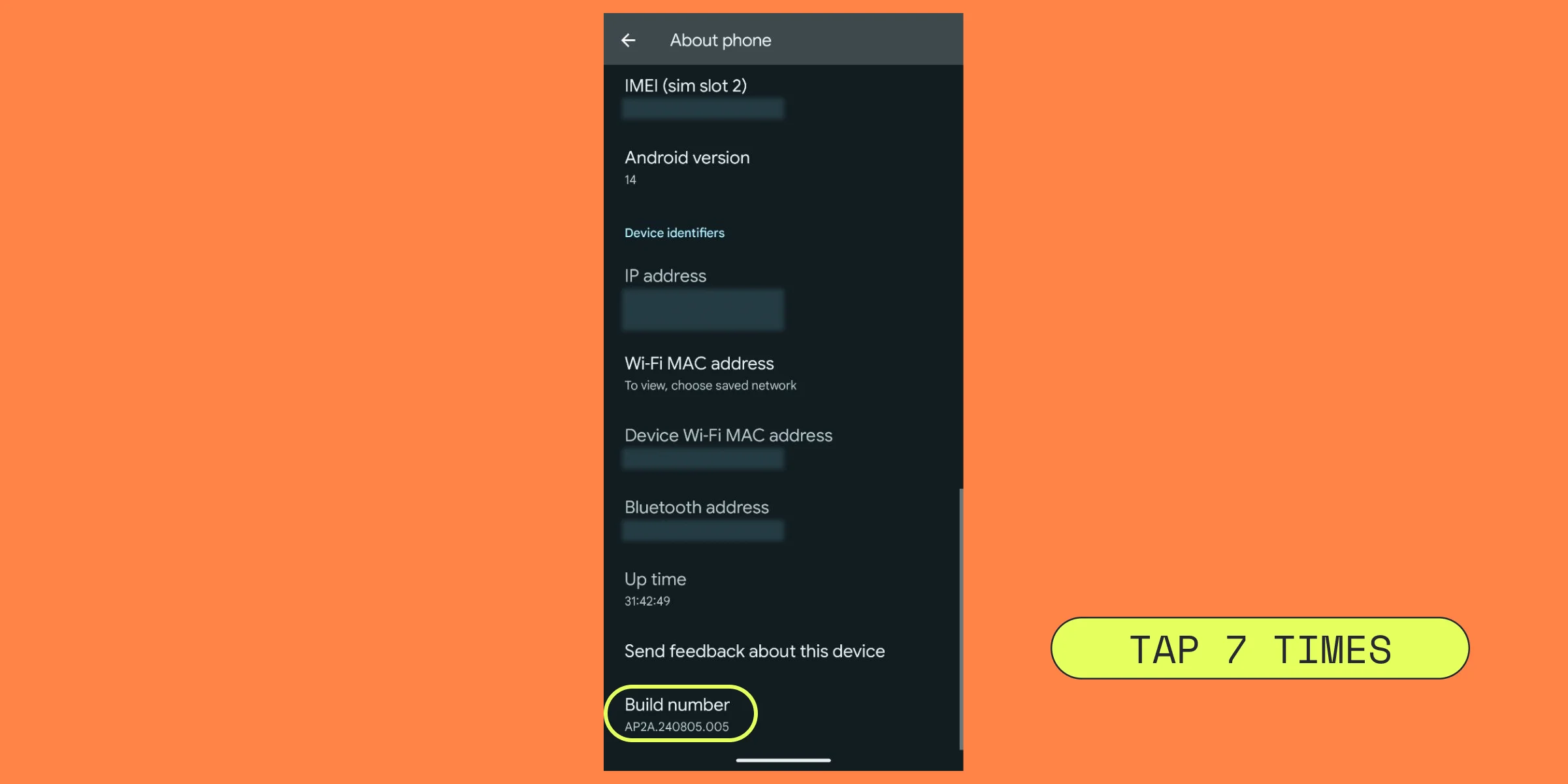
Step 3: Locate the Build Number
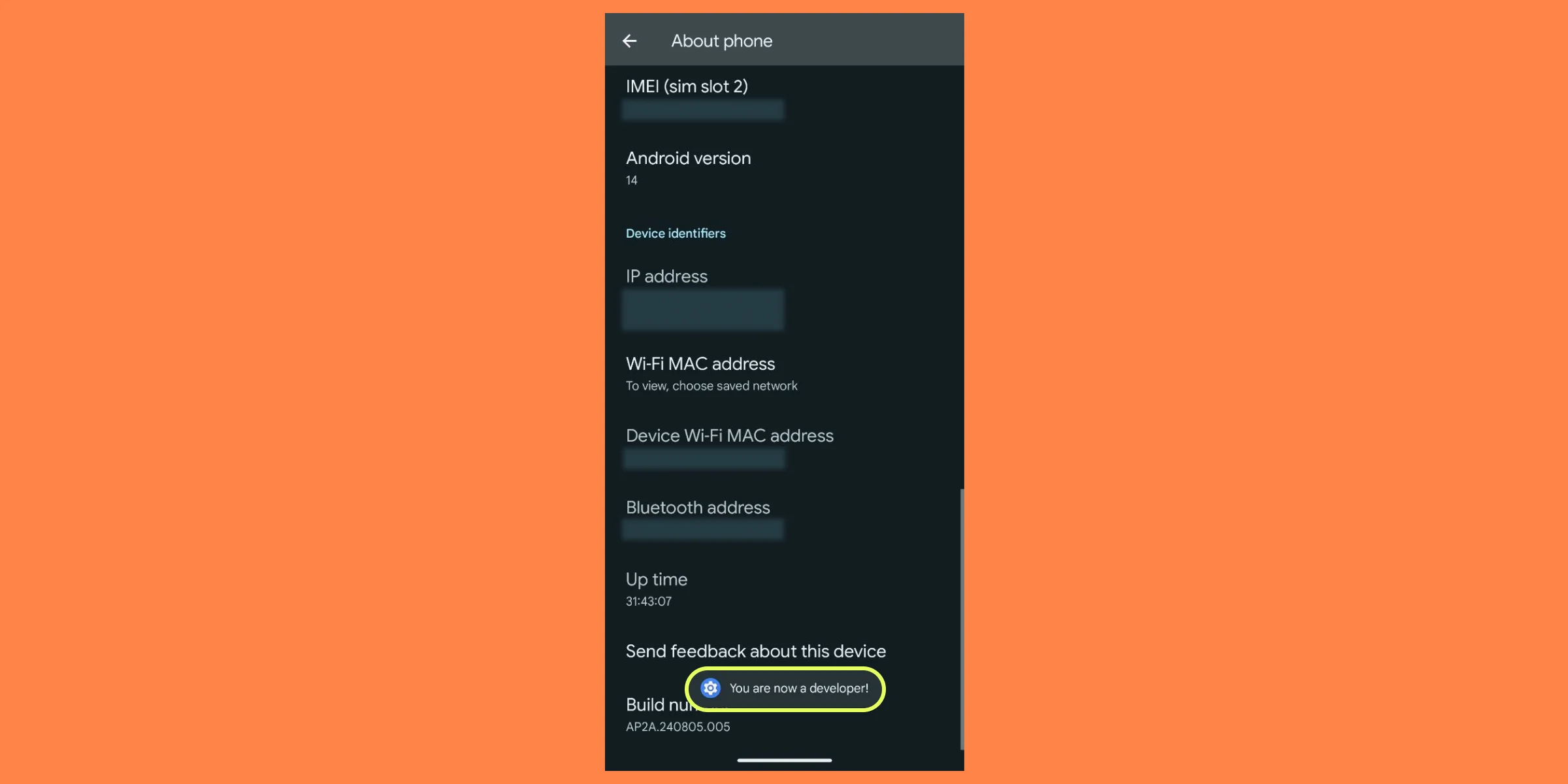
In the 'About Phone' section, locate the 'Build Number'. On some devices, this might be called 'Software Information', so look for it, too. Tap on the 'Build Number' entry seven times quickly.
Step 4: Enable Developer Mode
Once you taped 'Build number', you will be prompted to enter your device’s PIN or password. Fill that in and you'll see a message that says, "You are now a developer!"
Step 5: Access Developer Options
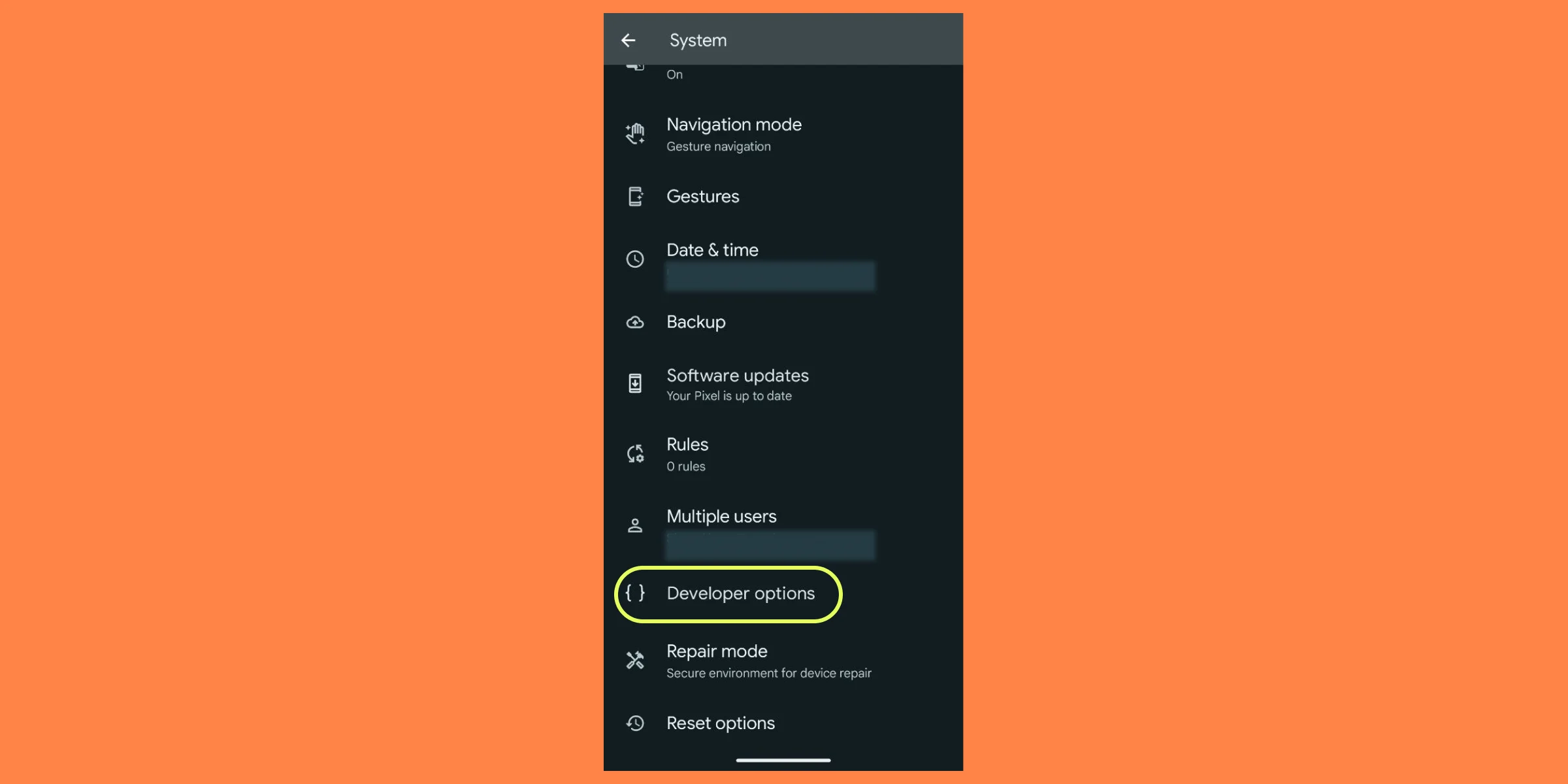
Return to the main Settings menu. You should now see a new 'Developer Options' entry, usually near the bottom of the list.
Step 6: Explore Developer Options
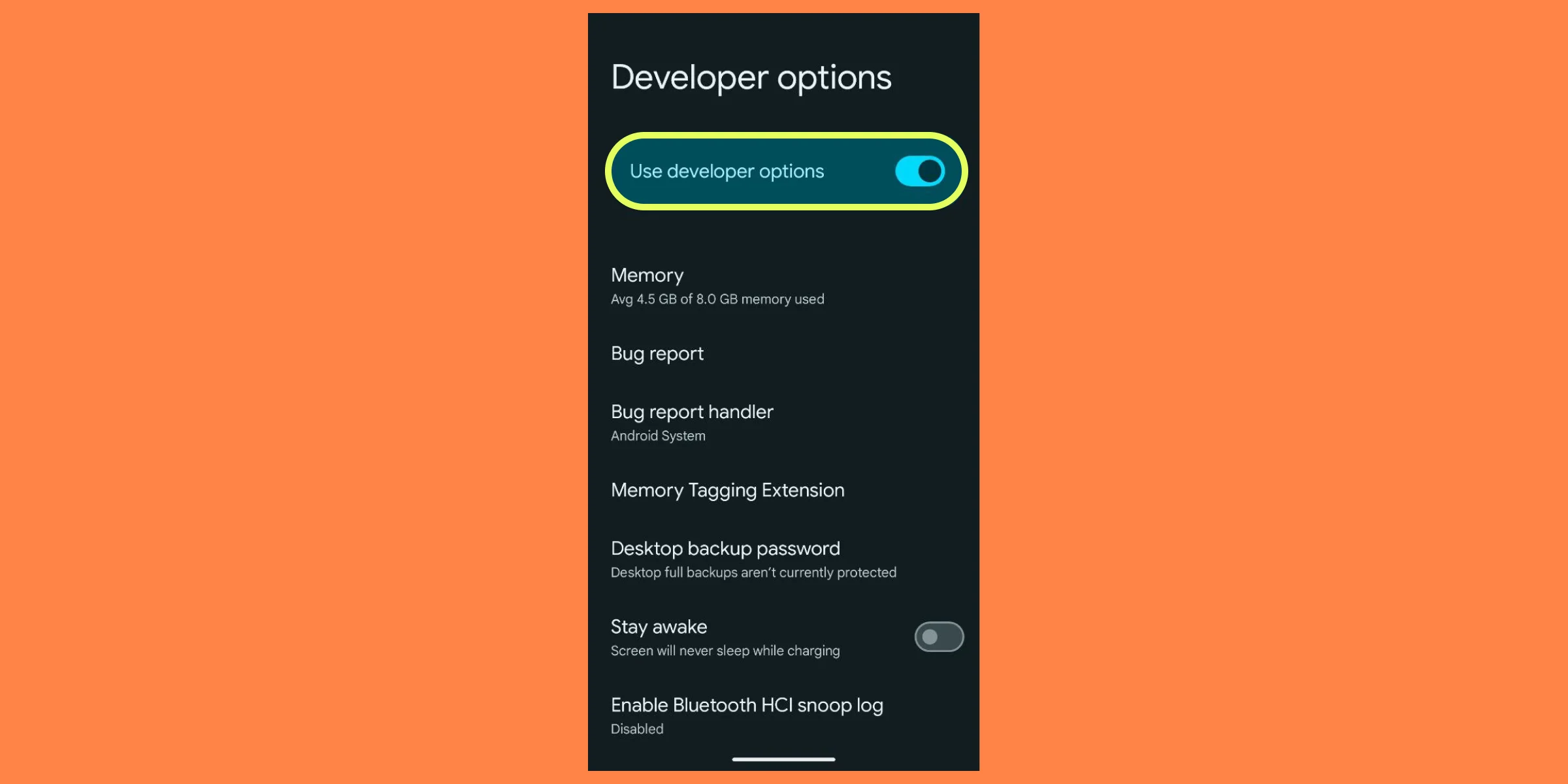
Tap on 'Developer Options' to access a range of advanced settings. Be cautious when making changes, as some options can affect the performance and stability of your device.
Key Developer Options to Explore
USB Debugging: Enables your device to communicate with a computer running Android SDK. Essential for app development and debugging.
- To Enable: Go to Developer Options and toggle on 'USB Debugging'. Confirm the action if prompted.
Animation Scales: Adjust the speed of window, transition, and animator durations. This can make your device feel faster.
- To Adjust: Look for 'Window animation scale', 'Transition animation scale', and 'Animator duration scale' in Developer Options and set each to your preference.
Background Process Limit: Control how many background processes can run simultaneously to save memory and improve performance.
- To Set: In Developer Options, tap 'Background process limit' and choose your desired limit.
Force GPU Rendering: Improve graphics performance by forcing apps to use the GPU for 2D drawing.
- To Enable: Toggle on 'Force GPU rendering' in Developer Options.
Stay Awake: Keeps the screen on while charging, useful for monitoring long processes.
- To Enable: Toggle on 'Stay awake' in Developer Options.
OEM Unlocking: Allows the bootloader to be unlocked, which is necessary for installing custom ROMs.
- To Enable: Toggle on 'OEM unlocking'. Note that this will reset your device to factory settings and void the warranty.
Logger Buffer Sizes: Adjust the buffer sizes for system logs to help with debugging.
- To Set: Tap 'Logger buffer sizes' in Developer Options and choose a size.
Important Considerations
- Security: Enabling Developer Mode can expose your device to security risks, especially if you enable USB debugging and connect to untrusted computers. Always ensure your device is secure.
- Warranty: Some manufacturers may void your warranty if you enable certain Developer Options, such as OEM unlocking.
- Performance: While Developer Mode can enhance performance, some settings can also degrade it if used improperly. Make changes cautiously.
Troubleshooting Common Issues
Developer Options Not Appearing
Ensure you tapped the Build Number exactly seven times. If it still doesn’t appear, restart your device and try again.
USB Debugging Not Working
Verify that your USB cable and ports are functioning correctly. Ensure you’ve allowed USB debugging on your device when connected to the computer.
Device Performance Issues
If you notice performance degradation after enabling Developer Options, review the settings you’ve changed. Reset to default settings if necessary.
Conclusion
Enabling Developer Mode on your Android device opens up a wealth of opportunities for customization, development, and performance enhancements. Whether you're a developer or just a curious user, these advanced settings can help you get the most out of your device. Remember to use these features responsibly and enjoy exploring the full potential of your Android smartphone or tablet.
By following this guide, you'll be well-equipped to unlock and make the most of Developer Mode on your Android device. Go further and learn how to create Google Play promo codes or how to set up custom push-notifications to take your app promotion to the next level.

Tatev
Content Manager at Qonversion
Tatev creates content that helps mobile app developers optimize their subscription strategies.