If you're into the app development, you've probably heard of AppsFlyer. It's a popular mobile app marketing and attribution platform that provides a toolkit for app developers, marketers, and analysts, and in this post we'll go over the Appsflyer Pricing and its benefits for app developers.
The Lowdown on AppsFlyer Pricing
Let's talk about Appsflyer pricing—a topic that's crucial for any developer or marketer considering this platform. AppsFlyer offers several plans to cater to different needs:
- Zero: Free of charge, this plan covers the basics like simple attribution and reporting features.
- Grsowth: Starting at 7¢ / per conversion, this plan includes advanced attribution, re-engagement tools, and integrations with partner platforms.
- Enterprise: For those who need more advanced features, the Enterprise is a more suitable option with customized pricing, real-time data, personalized notifications, and custom integrations.
Here are some common questions you may have about Appsflyer prising and tiers.
What is AppsFlyer used for?
AppsFlyer is a cloud-based platform specializing in mobile attribution and marketing analytics. It's designed to help app marketers manage their campaigns and track conversions. Key features include customer journey mapping, attribution modeling, audience segmentation, social media metrics, and retention tracking. Essentially, AppsFlyer helps you understand how users interact with your app and how your marketing efforts are performing.
What are the Enterprise Features of AppsFlyer?
The Enterprise plan offers a suite of advanced tools such as API access for deeper integrations, Protect360 – a comprehensive fraud protection suite, and Audiences – which helps with audience segmentation. Additionally, it includes Data Locker for storing raw data and more. These features are designed to provide enhanced data insights and protection, making it a robust choice for more advanced users.
How does AppsFlyer count an install?
In AppsFlyer, an install is counted when a user downloads and then launches the app for the first time. This means the timestamp for the install is based on the app's first launch, not just the download. This is a bit different from how ad networks, which use the engagement time, and app stores, which use the download time, might track installs.
What can you track on AppsFlyer?
AppsFlyer tracks two main types of events: app installs and in-app events. An install event occurs when a user downloads and launches your app. In-app events, on the other hand, are customizable actions that occur within the app, like reaching a new game level or making a purchase. These insights help developers understand user behavior and optimize the app experience.
Is AppsFlyer real-time?
Yes, AppsFlyer offers real-time data tracking, which means you can get up-to-the-minute insights into your app's performance. This real-time feature is particularly useful for monitoring campaigns and making quick adjustments to optimize results.
What is the value of using AppsFlyer?
AppsFlyer provides accurate, actionable insights that help you improve customer relationships and marketing effectiveness. Its privacy-first, unbiased approach ensures that you get reliable data, helping you make informed decisions. This focus on data accuracy and user privacy makes AppsFlyer a trusted choice for many brands.
What is the difference between AppsFlyer and Firebase?
While both AppsFlyer and Firebase are valuable for app development and analytics, they serve different purposes. AppsFlyer focuses on tracking and analyzing user acquisition and engagement, while Firebase offers a broader range of tools for app development, including hosting, real-time databases, and more. Choosing between them depends on your specific needs—whether you're more focused on marketing analytics or app development.
In-App Events and Marketing Attribution
One of the standout features of AppsFlyer is its ability to attribute app installs and in-app events to specific marketing campaigns. This means you can easily see which marketing channels are driving the most value, helping you to allocate your budget more effectively. Plus, AppsFlyer’s deep linking and re-engagement tools are great for boosting user retention and engagement.
Tracking Mobile Subscriptions with Qonversion
For mobile apps with a subscription model, tracking revenue and understanding customer behavior is crucial. That's where Qonversion comes in. Qonversion is known for its excellent mobile subscription analytics, offering tools like cohort analysis, customer segmentation, and revenue forecasting.
The Qonversion-AppsFlyer Integration
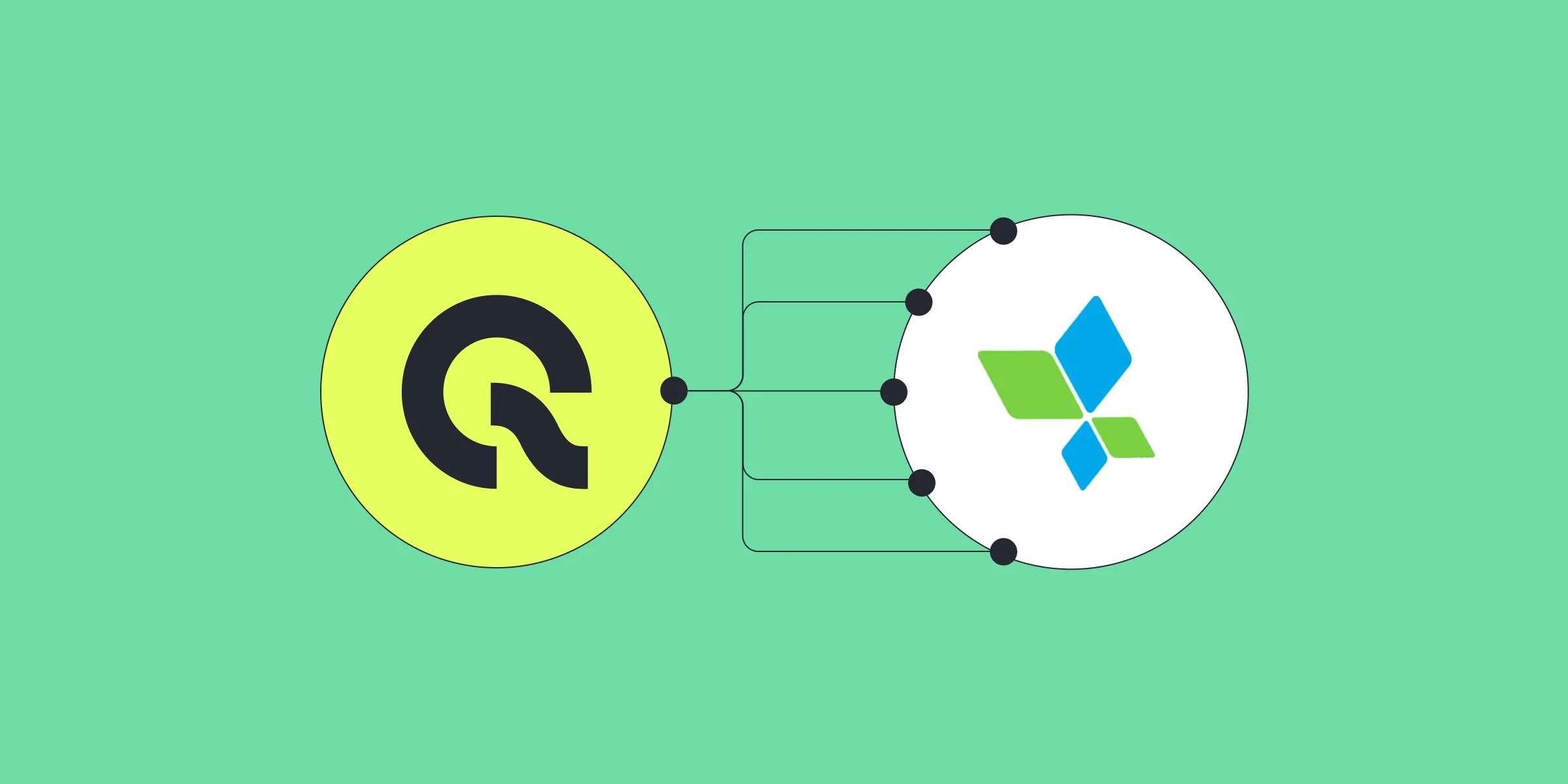
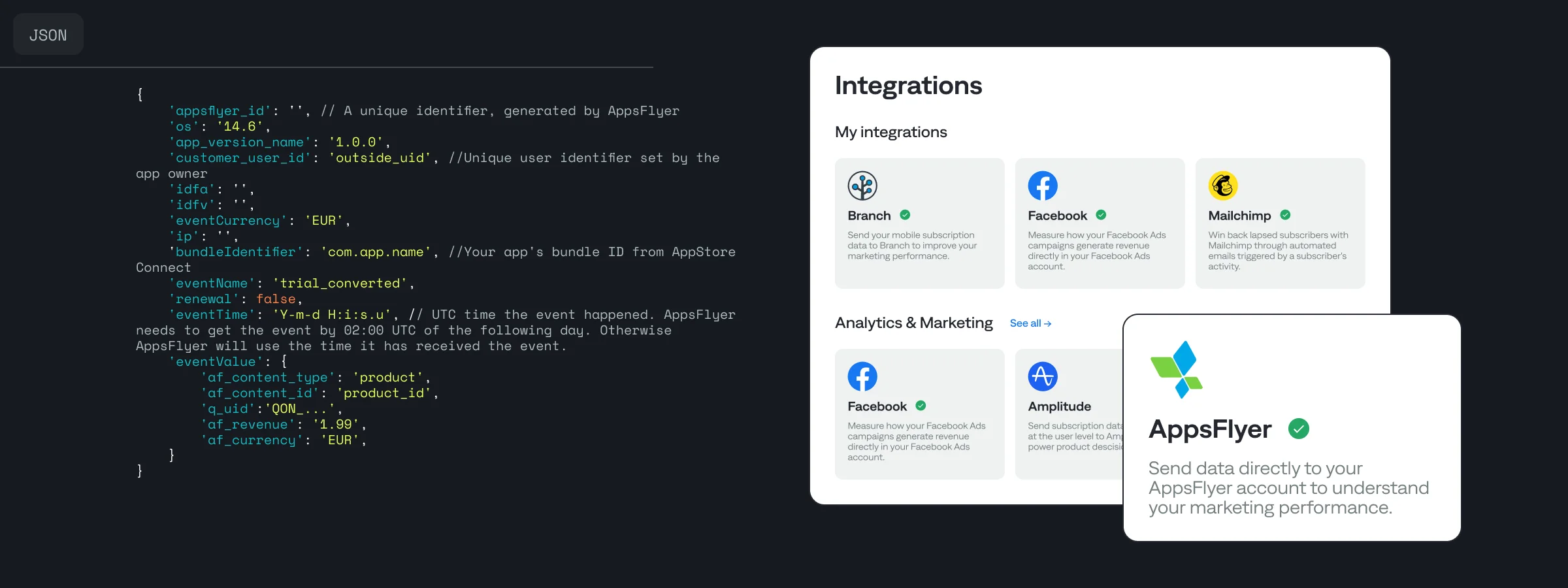
The real magic happens when you combine AppsFlyer with Qonversion. This integration lets app developers see a complete picture of their subscription revenue, down to the cohort level, directly within the AppsFlyer dashboard. It’s a powerful combo that provides a comprehensive view of your subscription business, helping you make informed decisions to grow and optimize your revenue.
Wrapping Up
In summary, AppsFlyer is a robust platform for app marketing and attribution, and when integrated with Qonversion, it becomes an even more powerful tool for subscription-based apps. Learn how to Send In-App Subscription Revenue to AppsFlyer and how to laverage AppsFlyer and SKAdNetwork for iOS 14.5+ attribution.
Whether you're just starting or looking to scale, understanding Appsflyer pricing and leveraging its features can significantly enhance your marketing and revenue strategies.

Kate
ex. Head of Marketing at Qonversion
Kate led marketing at Qonversion, building the brand and community around subscription app monetization.